
The psychology behind thrill-seeking how gambling affects your mind
The Nature of Thrill-Seeking
Thrill-seeking is an intrinsic part of human psychology that drives individuals to pursue exciting and often risky experiences. This yearning for thrill can be traced back to evolutionary adaptations where taking risks could yield significant rewards, such as access to resources or enhanced social standing. In modern contexts, thrill-seeking manifests in various activities, including extreme sports, adventure travel, and, notably, gambling. Each of these pursuits activates the brain’s reward system, releasing neurotransmitters like dopamine, which create feelings of pleasure and excitement. Online platforms make it easier to access these experiences, such as https://royalvalley-casino-uk.com, where users can explore thrilling games from the comfort of their homes.
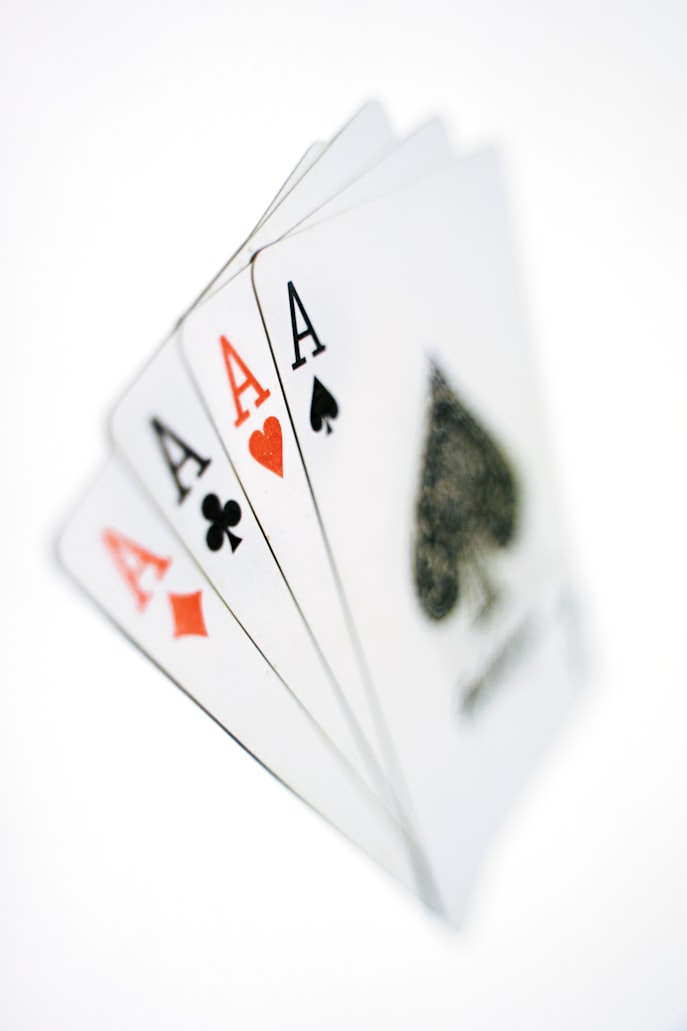
Gambling, in particular, captivates thrill-seekers with its unpredictable outcomes and the potential for financial gain. The anticipation of winning creates a unique cocktail of excitement and anxiety, heightening the psychological experience. This duality of emotions can lead to compulsive behaviors in some individuals, as the brain learns to associate gambling with both pleasure and tension. Understanding the psychological underpinnings of thrill-seeking can illuminate why people are drawn to gambling even when they are aware of the potential negative consequences.
The cultural representations of gambling often reinforce this thrill-seeking behavior. Movies, literature, and advertisements glamorize the excitement associated with casinos and betting, creating a romanticized image of gambling. These portrayals play a significant role in attracting individuals who are already predisposed to seeking thrills, further intertwining the relationship between culture and the psychological appeal of gambling.
The Brain’s Response to Gambling
The brain’s response to gambling is complex and involves various regions responsible for emotion, decision-making, and reward. When individuals engage in gambling, areas like the ventral striatum, which is involved in reward processing, become activated. This activation leads to the release of dopamine, a neurotransmitter that not only enhances feelings of pleasure but also reinforces behaviors associated with that pleasure. Over time, the brain may begin to crave the stimulation provided by gambling, making it a potential pathway to addiction.
Research indicates that the brain’s reward system can become hyper-sensitized in individuals who gamble frequently. This means that they may require increasingly risky bets or more significant amounts of money to experience the same levels of excitement and pleasure. This phenomenon explains why some gamblers may escalate their bets in an attempt to recapture that initial thrill, leading to a cycle of risk-taking behavior that can have devastating consequences.
Moreover, the psychological concept of variable reinforcement plays a crucial role in this dynamic. In gambling, players often face unpredictable outcomes, as wins are not guaranteed. This uncertainty creates a powerful reinforcement mechanism; the occasional win can lead to increased betting as players chase the thrill of that ‘big win’ moment. The brain learns to associate gambling with excitement and reward, which can perpetuate a cycle that is hard to break.
The Impact of Environment and Social Factors
Environment plays a significant role in shaping an individual’s attitude toward gambling and thrill-seeking behaviors. Casinos are designed to maximize engagement, employing lights, sounds, and other sensory stimuli to create an immersive experience. This atmosphere can heighten emotional responses and increase the likelihood of individuals taking risks. Social factors, such as peer pressure and cultural norms, can also influence one’s inclination to gamble. In communities where gambling is normalized or celebrated, individuals may feel more compelled to participate.
Social dynamics within gambling contexts can further amplify the thrill-seeking experience. Many people enjoy gambling in social settings, where the shared experience of excitement can enhance the thrill. Whether it’s cheering for a friend at a poker table or engaging in sports betting with colleagues, social interactions can provide an added layer of enjoyment and camaraderie. This communal aspect can reinforce the desire to gamble, making it more appealing as a social activity.
Conversely, the impact of negative social repercussions, such as stigma or personal loss, can also shape an individual’s relationship with gambling. People who experience significant losses may find themselves ostracized from their social circles, prompting feelings of shame and isolation. This complex interplay between social factors and thrill-seeking behavior can create a cyclical pattern, where individuals gamble to escape negative emotions while simultaneously facing societal pressures related to their gambling habits.
The Fine Line Between Thrill and Addiction
The transition from thrill-seeking to addiction can be subtle and often goes unnoticed until significant consequences arise. For many, gambling starts as a form of entertainment, providing an escape from daily life. However, the excitement derived from gambling can quickly transform into compulsive behavior, leading individuals to prioritize betting over other important aspects of their lives. Recognizing this shift is crucial, as it can help individuals seek help before reaching a crisis point.
Many gamblers struggle to understand when their thrill-seeking behavior has crossed the line into addiction. Cognitive distortions, such as the belief in a ‘lucky streak’ or the illusion of control, can keep individuals trapped in a cycle of risk-taking. These psychological barriers prevent them from acknowledging the harmful consequences of their actions. Awareness and education about the signs of gambling addiction are vital in helping individuals navigate their relationship with gambling and recognize when to seek assistance.
Support systems and treatment options are essential for those grappling with gambling addiction. Therapy, support groups, and educational resources can provide individuals with the tools they need to understand their behaviors and regain control. By addressing the psychological factors that contribute to thrill-seeking and addiction, individuals can develop healthier coping mechanisms and find fulfillment outside of gambling.
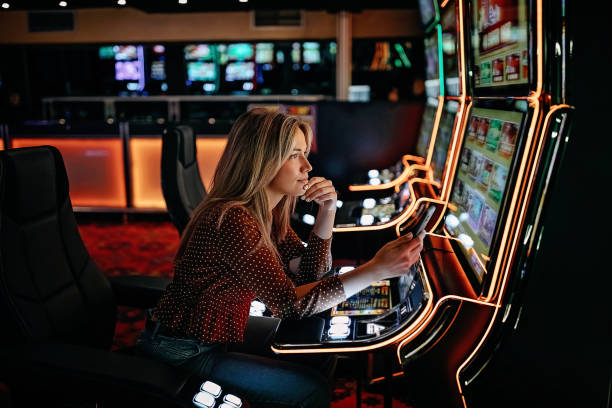
Royal Valley Casino: A Safe Thrill-Seeking Experience
Royal Valley Casino stands as a premier online gaming destination for individuals who seek thrilling experiences in a safe environment. With a commitment to responsible gambling, Royal Valley offers a wide array of games designed to provide excitement without compromising player welfare. The platform is fully licensed and regulated, ensuring that players can enjoy their gaming experience with peace of mind.
Understanding the psychology behind thrill-seeking is essential for enhancing the gaming experience at Royal Valley Casino. The platform strives to create an environment that recognizes the balance between excitement and responsibility. With generous welcome offers, including cashback incentives, players can explore various games while maintaining a secure and enjoyable experience.
As players dive into the world of Royal Valley Casino, they can engage with a community that promotes healthy gaming habits. The casino offers resources and support for individuals who may struggle with their gambling behaviors, emphasizing the importance of awareness and education. At Royal Valley Casino, the thrill of gaming is intertwined with a commitment to player safety and satisfaction, ensuring an enriching experience for all.